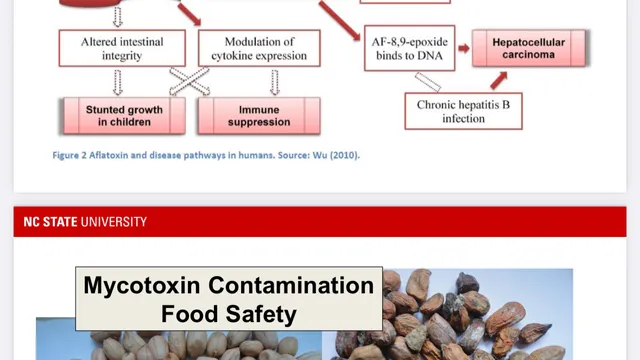
Presence of the mold producing aflatoxin has been reported this fall. Hot and dry conditions favor development of Aspergillus flavus the source of the toxin. With the exception of irrigation, there are no practices that eliminate this risk under hot and dry conditions. Minimizing damage from pod-feeding insects in soil can reduce the entry point of soil into pods and subsequent contamination of kernels. However, contamination can occur even with effective pest management. The pathogen is considered ubiquitous in many soils.
The following is from 2026 Peanut Information:
Aspergillus flavus Mold:
This is mold that produces aflatoxin. Three grade components are examined for the presence of A. flavus mold (LSK, OK, and DK) because these components have the greatest risk. The grader indicates on the grade sheet that A. flavus was or was not detected.
Detection of Aspergillus flavus:
Detection of A. flavus results in the lot being cleaned and re-examined. If the contamination is not adequately removed by cleaning, the peanuts are consigned to segregation III for the oil market, with a potential market value as low as 35% of the loan value.